How to Cultivate Social Entrepreneurship by Leveraging Software and Marketing for Positive Impact
Looking for a way to marry business ownership with philanthropy?
Then you might be interested in becoming a social entrepreneur.
Social entrepreneurship is a business approach where social enterprises address social justice and sustainable development challenges while generating profit.
Social entrepreneurs feel motivated by a mission to create positive change and improve society by developing innovative solutions to pressing problems. They combine entrepreneurial skills and principles with a focus on social impact to create sustainable and transformative results.
And with modern-day tools like software as a service (SaaS) apps and digital marketing strategies, social entrepreneurs can get the word out like never before.
Read on to learn more about the power of social entrepreneurship and how to use marketing and software tools to spread your message.
Understanding the Power of Marketing and Software in Social Entrepreneurship
Previous studies, including those published in esteemed journals like the Harvard Business Review and the Journal of Business Research, have explored the critical need for businesses to adapt and evolve — ensuring that they don’t merely focus on profit but also on creating a tangible societal impact.
The pioneering work by Muhammad Yunus, the founder of the Grameen Bank, introduced the world to the concept of “Social Business.” His ideas went beyond traditional capitalist ventures to propose businesses where the primary goal is to solve social issues, not just to make a profit.
Thankfully, by using software and marketing tools, it’s easier than ever to make a strong impact as a social entrepreneur.
Let’s take a look at some of the most common ones, along with a real story to inspire you.
Efficiency and scalability
Technology provides tools that can help you increase efficiency in your routine business operations.
Automation, data analysis, and productivity management software can help you streamline processes so you can allocate resources effectively and scale your impact without excessive time and effort.
Innovation and creativity
Software tools can help you develop innovative solutions to complex social and environmental issues. From mobile apps for education and healthcare to online platforms fostering social connections, technology empowers creativity.
These tools open up possibilities for addressing societal challenges.
Measurement and accountability
Software and marketing tools can help you measure and track your impact more precisely. With analytics tools, you can assess how effective your initiatives are, identify improvement areas, and demonstrate transparency and accountability to stakeholders.
Reach and amplification
Software and marketing techniques can help you reach a wider audience to amplify your message.
Through social media platforms, AI marketing agents, targeted advertising, and search engine optimization, you can effectively communicate your mission, engage with people interested in your cause, and maximize your influence.
For instance …
Get inspired by Marie Forleo, a social entrepreneur, speaker, and writer who supports 10 causes with her business, including:
- The Malala Fund
- Kiva
- charity:water
- Pencils of Promise
- And more

Marie offers aspiring entrepreneurs resources to build businesses and lives they love. When someone invests in one of her programs, part of the profits go to one of the causes she supports. As Marie says, “When you purchase our products to change your life, you really are changing the world.”
Technology and marketing play a major role in Marie’s social entrepreneurship mission.
For example, she hosts her award-winning show MarieTV, with over 75 million views on YouTube.
To celebrate the show’s birthday one year, her team launched a campaign to her audience spanning 195 countries.
The result? $63,138 in donations to build more wells in Ethiopia, bringing safe drinking water to more than 1,500 people as part of her partnership with charity: water.
What’s more, her lending team has provided more than $58,000 in Kiva loans to entrepreneurs looking to create better lives for themselves and their families.
From building schools to supporting Syrian refugees to sponsoring girls around the world, Marie’s commitment to giving back is nothing short of extraordinary.

These insights become more valuable when paired with strategies that expand reach.
The Role of Marketing in Amplifying Social Impact
Let your passion and purpose shine through by crafting a compelling narrative around your social cause. Weave this narrative into your branded videos, marketing campaigns, and marketing copy. Be sure to also add it to your website, social media bios, and content, and relevant landing pages to reach a broader audience.
By telling a story that resonates with your target audience, you can inspire and mobilize support for your cause.
Sharing your mission and values in a way that addresses and overcomes sales objections can be pivotal in drawing support and engagement.
Share your mission, values, and impact clearly to create meaningful connections. This can also help you foster a shared sense of purpose with your audience.
For instance:
“Encouraging economic growth at the local level is our ultimate passion. That’s why every month, we help restaurants on the verge of closing rebrand and restrategize their businesses. As of 2023, we’ve helped 356 restaurant owners reimagine their dreams and keep their businesses!
Or:
“We may be successful now, but it hasn’t always been that way. Growing up, my sister and I went to bed hungry more nights than we could count. We used to dream about starting our own company one day and using some of our profits to help feed the hungry. As luck would have it, our dream came true. That’s why, when you invest in any of our consulting packages, 15% of your money will directly support the Hunger Relief Federation.”
To reach a wider range of people who share your passion for social change, look for (or build your own) relevant social networks and online communities.
This might mean starting nonprofit-focused Facebook groups, having your own branded app with built-in community features, or using online forums. It might also mean creating separate social media pages that focus on spreading your mission first, and your business second.
We also recommend using interactive posts and creative content, like videos that tug on emotion, to encourage discussions.
Building trust and credibility in your marketing campaigns is also crucial. Be transparent about your goals, strategies, and outcomes to establish trust with your audience.
More than anything, be honest.
If you say you’re donating 5% of your profits to fight world hunger, make sure it’s not really 2%.
Share success stories, testimonials, and impact metrics that showcase the positive changes you’re making. Transparency in your marketing campaigns demonstrates authenticity and accountability, strengthening the connection between you and your audience.
Strategies to Integrate Software for Social Businesses
Identify the right software tools tailored to your venture’s needs.
For instance, if you’re starting an online store that sells eco-friendly household cleaning products, you’ll need a commerce platform to manage sales and track inventory, like Shopify.
You might also need AI-powered chatbot software or digital health tools to manage customer support and improve access to services, especially in sectors addressing healthcare challenges.
Companies like Henry Meds show how healthcare providers can combine software and marketing to expand access to medical support while pursuing broader social impact.
By using telehealth platforms to connect patients with licensed providers and facilitate prescriptions, including treatments that may involve medications like online phentermine when clinically appropriate, digital health companies can make care more accessible for people who may struggle to visit in-person clinics.
When paired with responsible marketing, patient education, and transparent medical guidance, this approach supports social entrepreneurship by improving access to care while maintaining a focus on patient safety and outcomes.
Regardless of the model or sector you operate in, you’ll still need tools to set up a website, manage email marketing, and handle social media.
Don’t forget to set up your online presence with a focus on delivering a positive user experience for all people. That means setting up your website and marketing channels with accessibility in mind. It also means making it easy for people to understand what you do, what you sell, how to buy from you, and the exact social causes you’re supporting. (And why they matter.)
In other words, all of the touchpoints associated with your business should be seamless.
When someone’s on your website, they should intuitively know how to use it and find the information they’re looking for.
If they’re on your LinkedIn profile, they should immediately understand what kind of professional you are and who you serve.
To measure your marketing impact and refine your strategies, use data analytics.
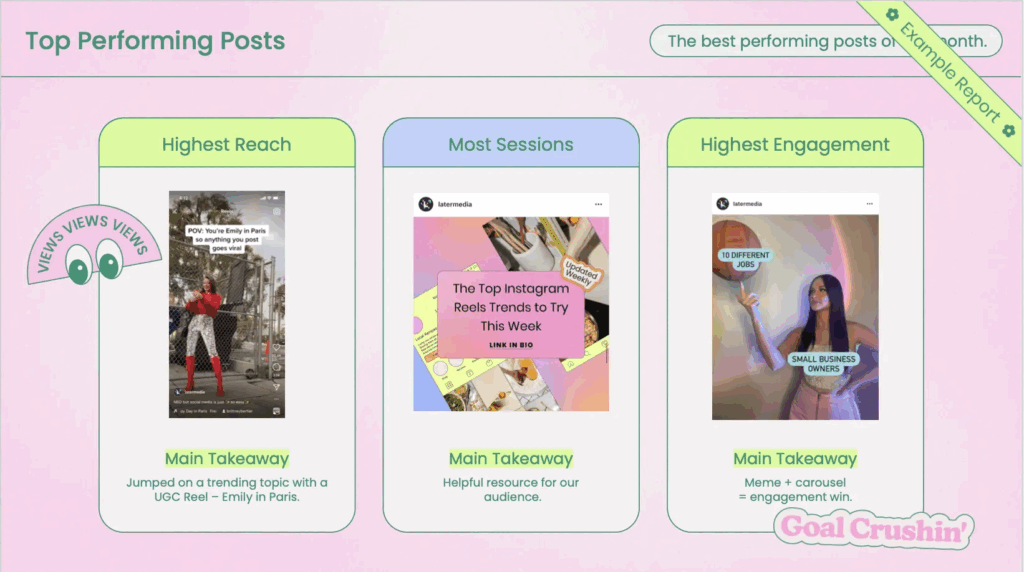
For instance, to dig into your social media strategy, pull monthly social media reports to see what kinds of content bring in more engagement and aligned leads. You can also use data intelligence tools, like ThoughtSpot, to sort through sales data and pinpoint which of your campaigns is bringing in the most profit.
Effective Marketing Techniques for Social Entrepreneurs
As we’ve touched on before, using storytelling techniques is pivotal to building strong emotional connections with your audience — and inspiring them to join your cause.
But hearing you speak about your passions isn’t enough.
People are also interested in what others have to say about your business.
By showcasing success stories and testimonials, you can foster more trust with your audience. Social proof can also help your audience better understand the real impact your socially conscious business has.
For greater reach, consider partnering with other organizations that share your vision. That might be other businesses in your industry that you’re not in direct competition with, relevant non-profits, or socially conscious influencers.
We also recommend using strategies that bring your ideal audience to you, otherwise known as “inbound or attraction marketing.”
One of the best ways to generate inbound marketing leads is to create a continuous stream of education about your cause and business.
For instance, we recommend using content marketing techniques such as:
- Publishing consistent content on your website and blog
- Guest posting on other relevant blogs
- Distributing content to your email list
- Publishing helpful guides and articles on social media
- Using lead magnets to build up your email list, such as gated content downloads
- Optimizing your articles based on search intent to reach more people and build authority with search engines
Tailor Brands, for example, uses content marketing to share advice on choosing the right business structure, the benefits of each option, and how business registration laws differ from state to state.
More than just a design and branding business, Tailor Brands is passionate about helping aspiring and new entrepreneurs set themselves up for success.
While it (of course) charges for its services, Tailor Brands also teaches businesses about registration and branding on its blog for free. Anyone interested in starting a business can take a deep dive into its guides and walk away with tons of value and advice.
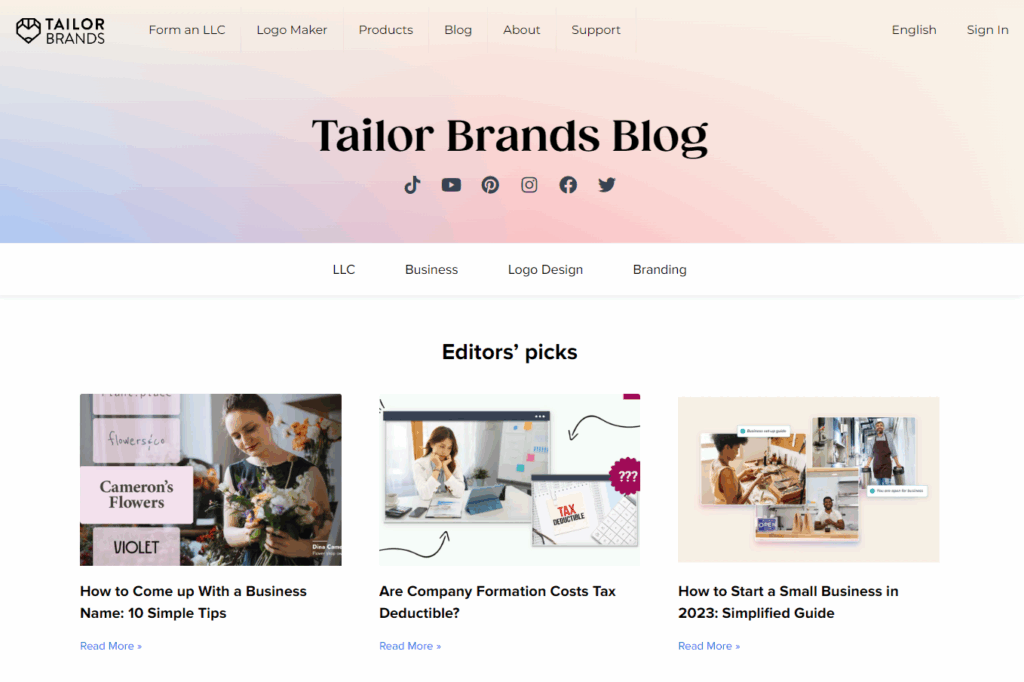
This approach is a win-win. Tailor Brands helps attract ideal customers and fulfill its passion for helping others, while aspiring business owners get free information on starting a brand, with the option to reach out for custom support.
Young and the Invested is another great example of a socially conscious brand using content marketing strategies to reach its target audience.
More than just a finance affiliate marketing company, Young and the Invested shares articles focused on teaching financial literacy to younger generations.
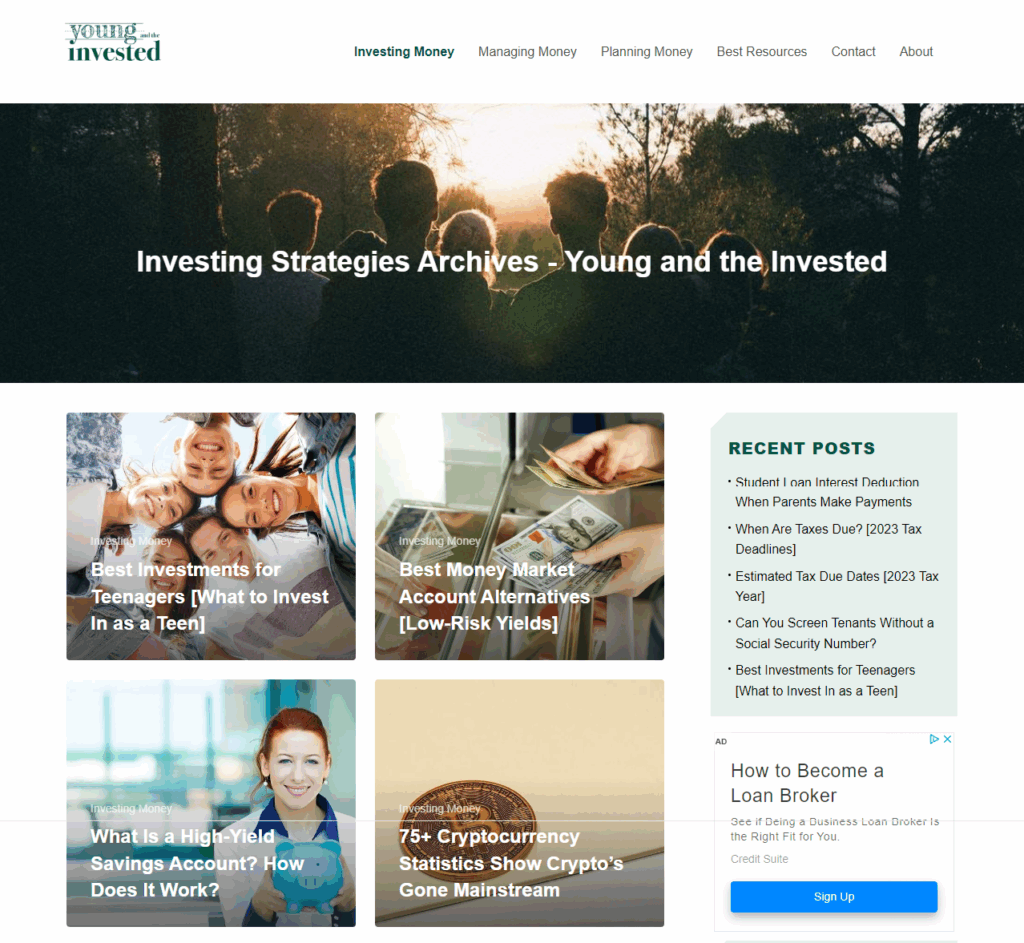
Its educational resources span topics ranging from how to invest as a teenager to the best stock options for kids. It also helps parents and caregivers make wise decisions about how and what to invest on behalf of their children.
While the brand may earn a commission on some of the products showcased on its site, it offers endless free guides on investing for kids, teens, and babies.
It’s also honest about its commissions and the limitations of its advice, giving parents and caregivers all of the facts they need to make informed investing decisions.
Now, let’s not underestimate the power of social media and building a community. According to the Journal of Marketing, effective social media marketing strategies can reach vast audiences, including previously untapped markets.
Today, social media marketers now have all the tools and data they could dream of at their fingertips.
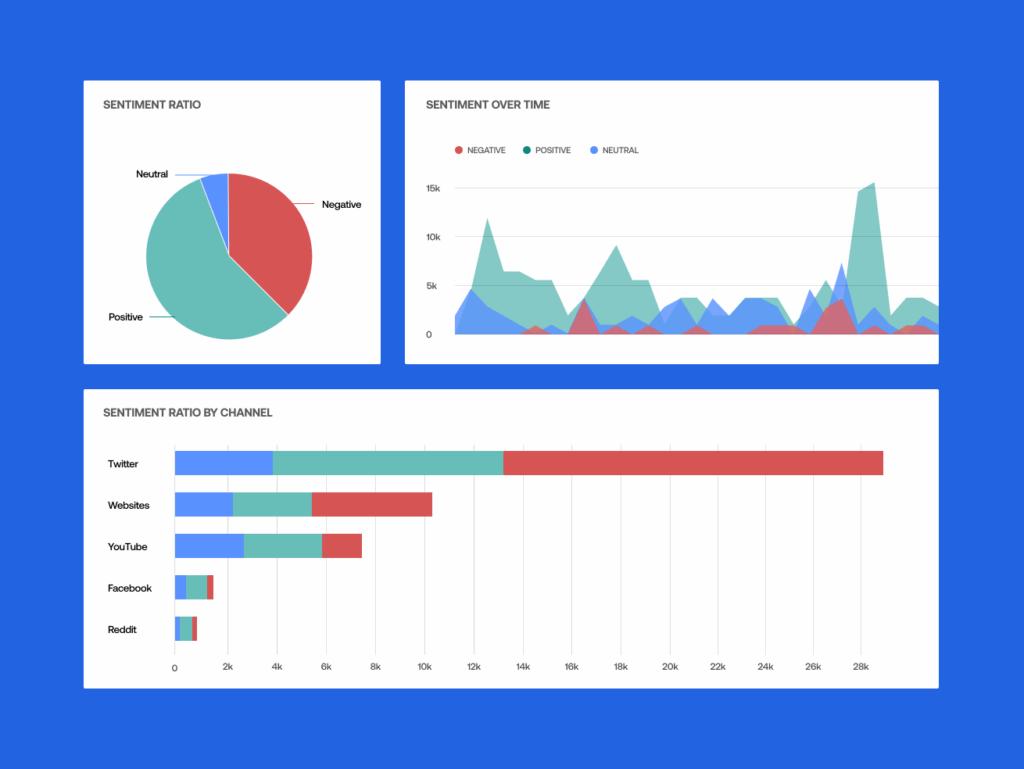
Sentiment analysis, for instance, allows marketers to gauge public perception of their campaigns and adjust strategies in real time, ensuring that the message resonates with the target audience.
Earlier, we mentioned Muhammad Yunus. But his work didn’t stop at Grameen Bank. He furthered his vision through the Yunus Social Business Initiative, which aims to foster social innovation on a grander scale.
By leveraging the power of a network of entrepreneurs (read: building a community) and grounding their strategies in social network theory, this initiative aimed to bring about systemic change.
Social network analysis can provide invaluable insights into how information flows, how influence is wielded, and how connections can be leveraged for greater social impact.
With this information in your back pocket, you can build strong marketing initiatives across platforms and channels for the widest reach and impact.
Challenges and Solutions
Running a socially conscious business comes with its unique challenges.
From overcoming skepticism to adapting to changing technology trends to balancing profitability and social impact, you have a lot to consider.
Future studies will undoubtedly delve deeper into the power of social media content marketing, particularly its role in advancing the objectives of social businesses.
As per the Social Business Initiative, there is a wealth of social media data available. This data can be used to refine strategies and better match audience needs. This isn’t just a separate item on businesses’ agendas — it’s becoming a core component.
For instance, you may find yourself always having to prove your authenticity. While this can feel frustrating, it’s imperative not to lose heart. You might be an honest entrepreneur, through and through, but some people aren’t.
To cater to your audience’s skepticism, do your best to show them the “receipts” of your good deeds.
For example:
- Conduct live interviews with people your business has directly impacted for the better
- Share the exact amounts you’ve donated or used for your cause and where they went
- Share the results of your investment in your cause, i.e., “In 2022, we helped 589 kids in Houston get access to books and technology they needed for school”
- Collect statements from people or organizations that have partnered with you on your cause
- Collect statements from organizations that have received your donations
- Shoot live or behind-the-scenes videos showing the work you’re doing in real time
- Share videos, images, and touching testimonials of the people you’ve helped
By reinforcing your authenticity, you can navigate skepticism and gain the trust and support of your customers and stakeholders.
Additionally, adapting to rapidly changing tech trends can present both opportunities and challenges.
Embrace technological advancements and use them to amplify your social impact. Stay updated on the latest digital tools and platforms to help you reach a wider audience and engage them effectively.
For instance, these days, anyone can have a branded app or access to artificial intelligence tools at a fraction of the price they used to cost.
By staying adaptable and open to innovation, you can leverage technology to your advantage and stay ahead of the curve.
But it’s important to remember to evaluate the relevance and impact of each new technology before integrating it into your business.
For instance, if you want to boost your business’s operational efficiency, consider your framework before choosing your new tech stack.
For example, if you’re running a small team, you might not need robust and expensive Work OS software with custom coding options. Instead, a simple productivity platform with built-in templates and no-code automations may fit your needs (and budget) perfectly.
And speaking of money …
It’s important to remember that while you’re a social entrepreneur, you’re still running a business. In other words, you’ll need to find the balance between profitability and giving back.
If this is your first socially conscious endeavor, skip the manual business research and reach out to a financial advisor for support. They can help you run the numbers and choose the right path so both your business and your cause can thrive.
Conclusion
Today’s world offers a plethora of opportunities for those looking to merge business acumen with a heart for societal betterment.
As we move forward, the intersection of software, marketing, and a clear understanding of social objectives can pave the way for more enterprises that seek to make the world a better place. With platforms, data, and strategies becoming more sophisticated, the future looks promising for social entrepreneurs.
So, as a social entrepreneur, you have the power to inspire meaningful change. That is … if you can learn how to combine the right tools to get your message out there, build trust, help others, and earn a healthy profit.
By being intentional about the software and marketing strategies you use, you can build a business that not only serves you but also leaves a major impact.
Here’s to your success!
Author Bio:

Ioana Wilkinson
Ioana specializes in Business, Digital Marketing, and SaaS content for B2B brands. Born in Transylvania and raised in Texas, Ioana has been living the digital nomad life since 2016. From Barcelona to Puerto Vallarta to her new abode in windy Oklahoma City, you’ll never know where Ioana will head off next.