
The Power of Minimalism: How to Create Clean and Impactful Designs
Today, we consume more visual information than ever before, and we consume it fast. Sometimes, the amount of information thrown our way is overwhelming. Providing users with enough information is essential while avoiding that sense of overwhelm or decision paralysis.
That’s where minimalism in design comes into play. If you can create clean and impactful designs that resonate with users, you’re golden.
Minimalist design doesn’t mean eliminating visuals. And it doesn’t matter which industry you work in. Whether you are a web developer or a content creator, minimalism helps communicate your message through clean, focused design.
Successful designers know the enormous impact visual communication has on end-users. They know how to leverage this impact with fewer visuals and maximize white space.
It’s the art of simple design that brings a sense of consistency and balance. When using a minimalist approach, you must know how to achieve this.
Understanding Minimalism in Design
Minimalism in design focuses on clear, precise, and simple use of space and visual elements. It communicates the intended message without distractions. This approach boosts visual appeal and enhances the user experience across different formats, including digital interfaces and visual media.
Whitespace shows up in visual assets too, not just UI layouts. In professional headshots, a clean background removes distraction and puts full attention on the subject. That’s the same principle at work.
AI headshot generators apply this automatically. Background isolation and segmentation strip away anything that doesn’t belong, leaving a controlled visual environment where the subject is the clear focal point. It works for the same reasons in photographs as it does in interfaces: less noise means faster, clearer communication.
The Core Principles of Minimalism
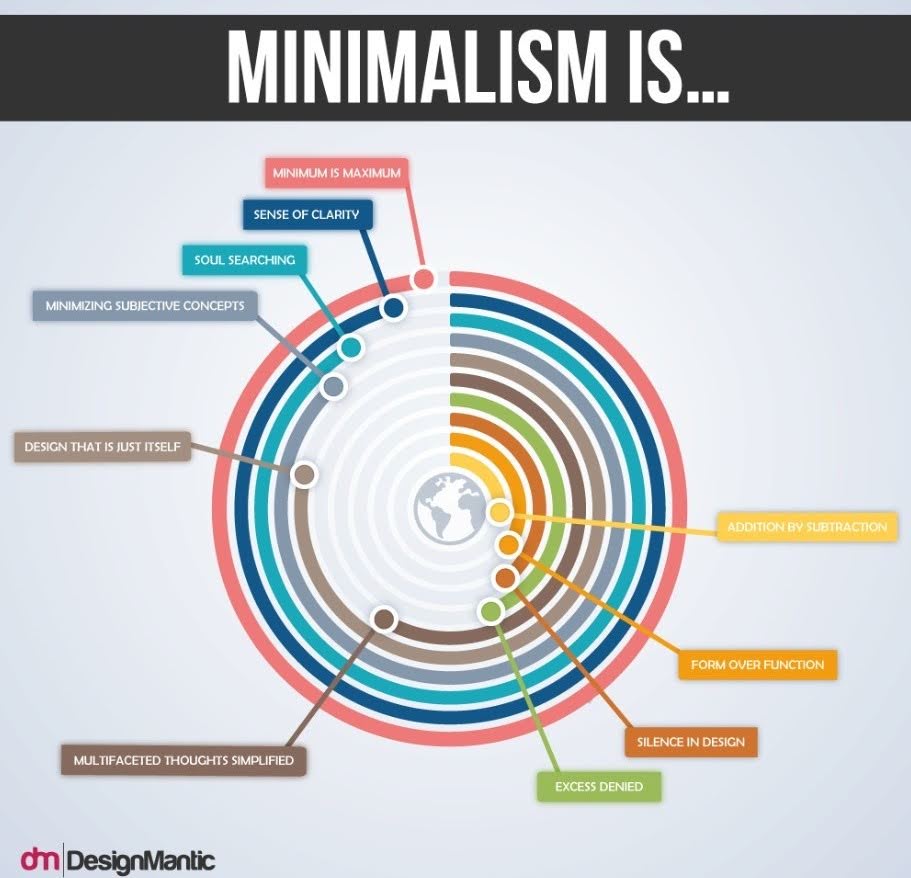
To better understand what the minimalist design approach is, you need to learn the core principles of minimalism:
- Simplicity: Avoiding unnecessary elements and reducing the initial design to its base form. Focus on what’s essential rather than cluttering your design with lots of visuals.
- Whitespace: Using negative space (whitespace) will help guide the user’s gaze. It will also create a balanced composition for your design.
- Contrast: Catching the user’s eye is essential, and highlighting key elements in your design with contrast puts you on an excellent path to success.
- Typography: A simple, clean font with a limited typeface set will help maintain your design’s consistency.
- Color: Use a limited combination of colors to create a sense of balance and harmony on the user interface and positively impact the viewer.
These principles don’t work in isolation. Simplicity without structure just makes a design feel empty. Every element needs a reason to be there.
Take whitespace. It’s not about leaving things blank. It groups related content, creates hierarchy, and helps users scan without thinking. Pair it with contrast, and it does even more: it pulls attention toward buttons, headings, the stuff that actually matters.
Typography works the same way. Consistent sizes, weights, and spacing tell users where they are in the content without them having to figure it out. Mix that up and the whole clarity thing falls apart fast.
Color should mean something, not just look nice. A tight palette lets you assign purpose to each hue. One accent color for interactive elements, for example. Users learn it quickly. It becomes part of how the design communicates.
When these pieces work together, minimalism stops being a visual choice and starts being a system. One that reduces cognitive load, speeds up decisions, and makes interfaces easier to use. The point isn’t to strip things out for the sake of it. Every element that stays needs a job.
Benefits of Minimalist Design
Minimal design isn’t new. It is a graphic design process that provides designers with clear benefits:
- Enhanced User Experience: Minimalist designs set themselves apart from standard designs by emphasizing white space and reducing clutter. This allows users to navigate and get information quickly.
- Faster Load Times: A neat graphic design with fewer elements will load faster. Fast loading speeds improve the application and website performance. This is crucial, since a web page load time of 1 to 3 seconds or longer tends to increase the bounce rate by up to 32%. (Source: Envisage Digital)
- Timeless Appeal: Minimalist designs are long-lasting. Even if the future of graphic design brings significant changes, your minimalist design will remain relevant and retain its initial appeal to users. The ultimate longevity of minimalist design plays a vital role in brand recognition and consistency.

Clean layouts are also just more accessible. High contrast between text and background helps users read without straining. Consistent spacing lets people focus on one section at a time instead of fighting the layout to find what they need. For users with different accessibility needs, that structure is what makes the interface usable at all.
Minimalist design also holds up better across devices. Interfaces with fewer elements are easier to adapt to different screen sizes, which matters a lot for mobile users. Simplified layouts reduce the risk of layout shifts and keep the experience consistent between desktop and mobile. Cluttered interfaces tend to fall apart on small screens fast.
There’s a long-term maintenance argument too. With fewer components and styles to manage, teams can update content, fix issues, or scale the design without introducing inconsistencies. That’s what makes minimalism a practical choice for product development over time, not just a visual preference.
Steps to Create Clean and Impactful Designs
Before starting your minimalist design project, ask yourself these questions:
- Do you know which graphic elements to use?
- What’s the proper placement of elements?
- Do you have a grid layout in place?
Then, start with these basic steps:
Step 1: Start with a clear purpose
Before starting your design project, define its purpose.
What is your main goal?
Who is your target audience?
What message should the design communicate?
Answering all these questions will help decide in which design direction to go. Deciding on all these things up front will help you develop a unique design that will resonate with your target audience.
Step 2: Prioritize content
You’ve heard the “Content is King” phrase at least once in your lifetime. It is true. To honor the king, you must highlight the essential information within your design and make it easy to find.
Think of structuring and organizing content for the average user’s convenience. You want them to avoid bumping their heads and to figure out how to find the content they need. Long live the King!
Step 3: Embrace whitespace
Negative space (whitespace) is essential to every successful minimalist design.
What does whitespace do? It brings clarity and precision, elevates your elements, and provides a balanced composition. If you wish to make some of your content stand out more, please leave parts of your design completely blank.
Step 4: Use a limited color palette
A specific color palette will help enhance visual elements. This helps remove distractions from your design. Selecting a primary color and a few complementary colors will help create a consistent and visually elevated design.
Step 5: Choose clean typography
Typography is another crucial element of every minimalist design. Choose a clean, modern font that is easy on the eyes. Limit the number of typefaces to two or three. Ensure you use these typefaces throughout your design for a more consistent look.
Step 6: Incorporate high-quality imagery
Always go for high-quality images. The images you choose must align with your design aesthetic. Another tip is to ensure image relevancy. Relevant images will improve the value your content brings to the table. Using fewer images will be a disservice to your design. It’ll make it less possible to leave the impact you want.
Step 7: Apply consistent design elements
Minimalism only holds up if it’s consistent. Uniform visual cues, alignment, and spacing across every page are what make an interface feel intentional rather than accidental. That consistency is also what makes navigation intuitive. Users build a mental model of how the design works, and it doesn’t break on them.
Working with a professional web design company helps ensure those principles carry through the entire site, not just the homepage. Layout structure, responsive behavior, performance optimization: all of it needs to stay clean and user-focused across every page, not just the ones that got the most attention.
Real-World Examples of Minimalist Design
Developing impactful designs is easy when you know what and where to look. And it shows up in more places than you’d expect.
Online retailers are a good example. Platforms selling curated collections like Winter Perfumes strip back the layout so the products lead. Clean backgrounds, clear scent descriptions, key notes up front. No visual noise competing for attention. That kind of restraint makes browsing feel intentional, and it helps shoppers decide faster without getting overwhelmed.
Here are some well-known examples of successful minimalist design:
Apple
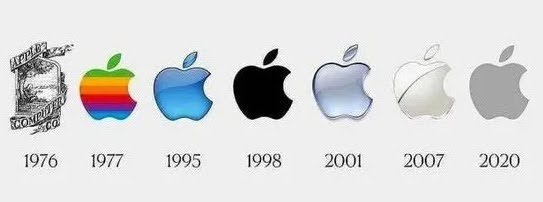
Apple could give a masterclass on minimalism. Its designs are exquisite and focus on users’ convenience. Whether discussing the website or their products, both focus on using whitespace. It helps make them simple and easy to use. Besides, Apple highlights its products by using ultrahigh-quality images. These images also help users learn more about the product and its features.
Is there anything left to say about Google’s homepage? Google’s homepage is probably the best example of them all. A clean layout without any distractions is appealing. Don’t worry, as all of Google’s tools and features are safely tucked “under the hood.” Access to all the functionalities Google offers is very intuitive, quick, and effortless.
Spotify
Spotify’s app design speaks volumes regarding ease of use and simplicity. The interface focuses on content discovery and navigation, while the general layout is clean. Why would you make anything else? The users just want to enjoy their favorite tunes. It should be as simple as possible, and Spotify delivered.
Conclusion
Creating clean and impactful designs makes you valuable and sought-after in the design market. Include these core principles in your design, and your users will be happy to return. Keep the design as simple as possible—less is more.
As the famous designer Dieter Rams once said, “Good design is as little design as possible.” Embrace this philosophy. It will push you to create effective, beautiful, minimalist designs.
Author’s Bio

Nikola Pantic is a Partnerships Specialist at uSERP, and a seasoned writer shaping various industries with the written word.